WIRELESS
Read guide →What Is LoRa?
Long-range, low-power communication for remote sensors and IoT systems.
CirkitScape builds hardware, software tools, project guides, and STEM resources for makers, students, educators, and engineers working with sensor, automation, and various other projects. Our goal is simple: make it easier to learn, prototype, and create.
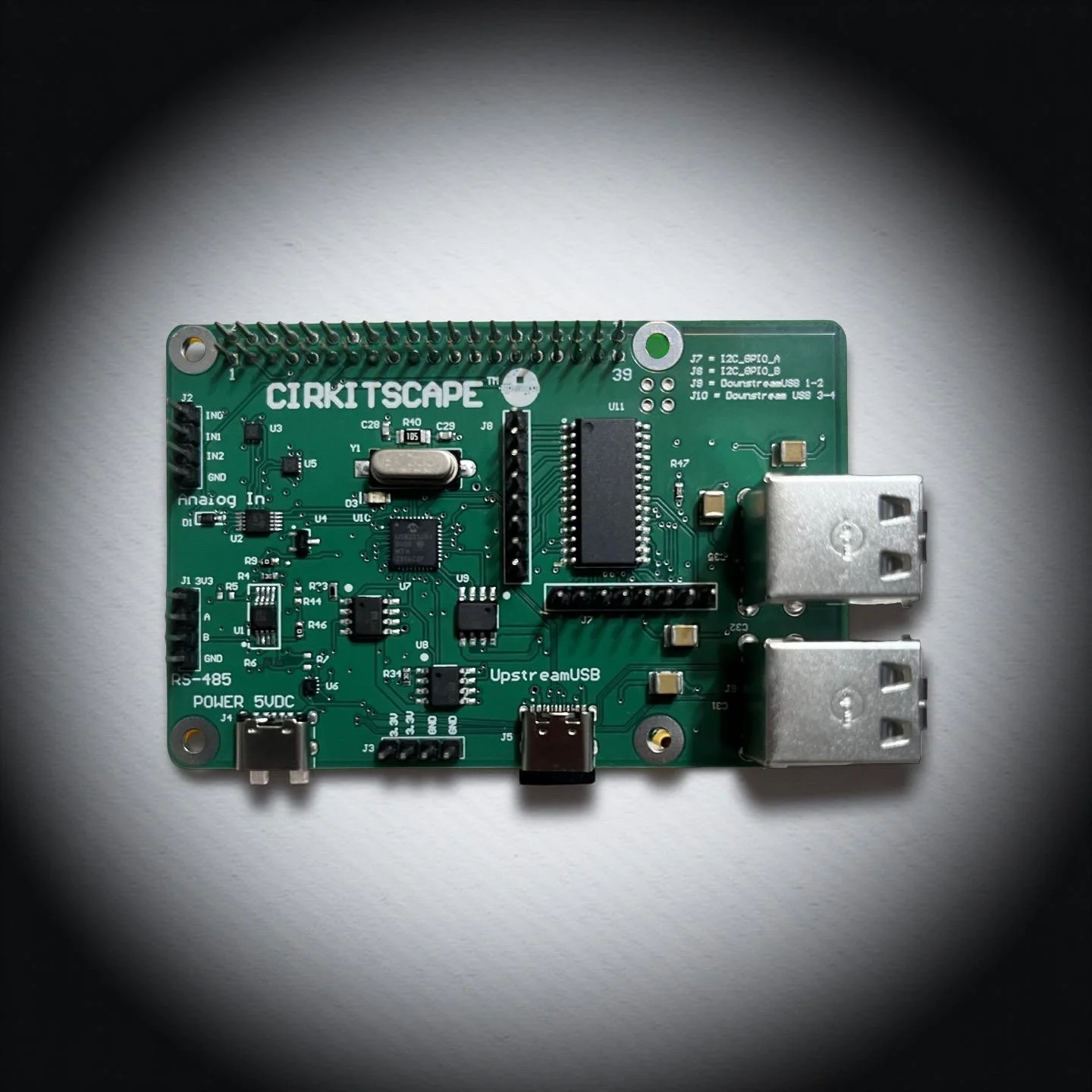
CirkitScape is built around products, documentation, learning, and school-friendly electronics support.
Hardware that reduces wiring complexity and helps builders move from ideas to prototype.
Setup scripts, example code, dashboards, project documentation, and community-friendly resources builders can modify and improve.
Hands-on electronics, sensor, automation, and microcontroller projects built for classrooms, maker spaces, and learning programs.
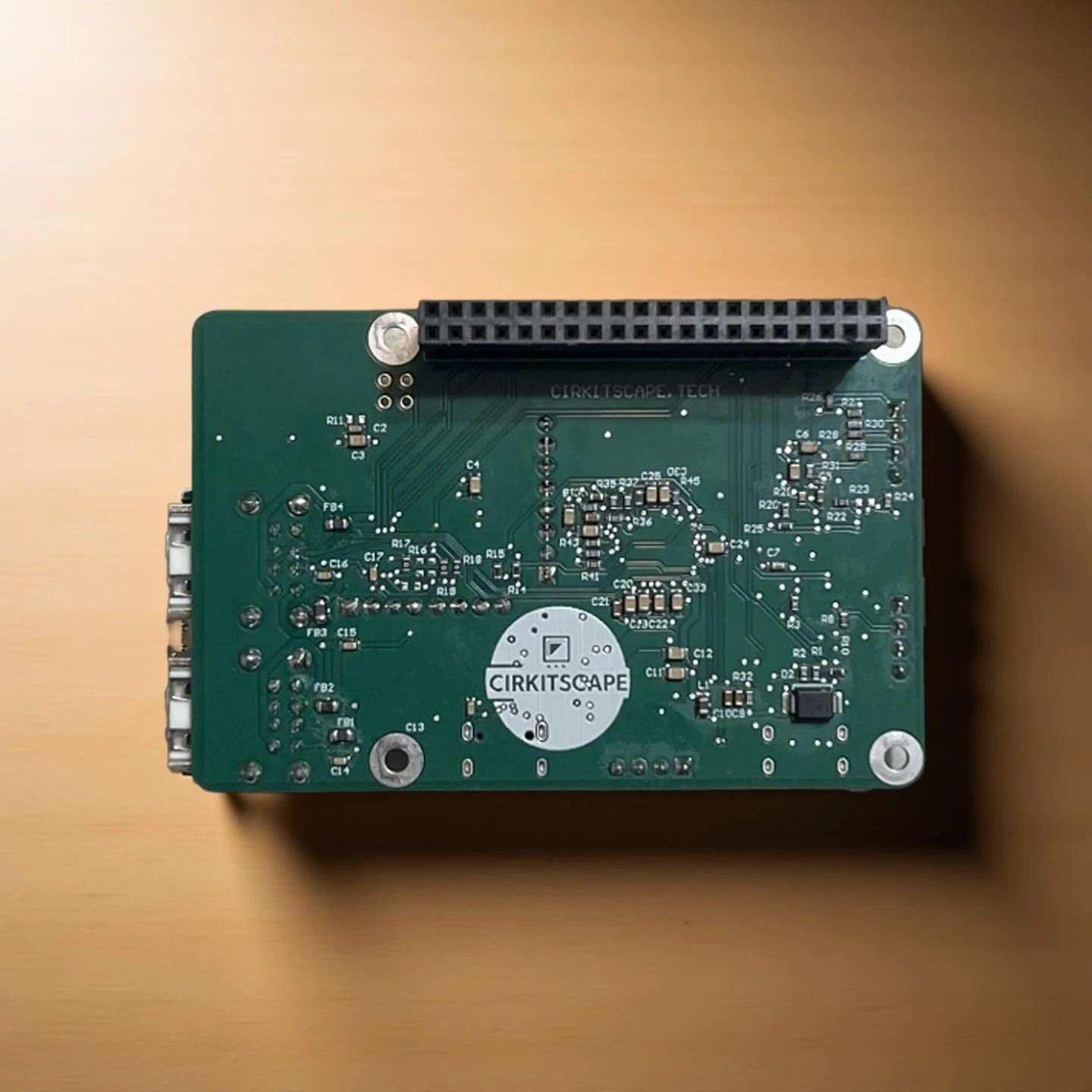
CirkitScape helps educators teach electronics through hands-on projects using sensors, circuits, automation, data collection, and real hardware students can build and test.
The CirkitScape blog covers electronics, hardware, and technology through articles, project guides, and educational resources. Whether you're researching a topic or starting a new project, each post is written to turn curiosity into knowledge.
Long-range, low-power communication for remote sensors and IoT systems.
Use dashboards and examples to validate hardware before production code.
A practical guide to picking the right interface for your electronics project.